
Share this post:
Special Guest Blog Series from Gut Health Group’s Nicole Marie:
Does eating out with coeliac disease ever feel more stressful than enjoyable?
Maybe you've found yourself scrolling through restaurant menus before agreeing to dinner plans, worrying about being that person asking all the questions or ordering something labelled gluten free and wondering whether it's actually safe.
And sometimes, it's not even about the food. It's about wanting to enjoy a birthday, a date night or dinner with friends without having to think about gluten the entire time.
The good news? Having coeliac disease doesn't mean giving up eating out.
But there is a difference between choosing a gluten free meal and knowing whether a restaurant can safely prepare it for someone with coeliac disease.
Here are some practical tips to help you feel more confident when dining out.
How to eat out gluten free with confidence
One of the biggest things I want people with coeliac disease to understand is that eating out safely involves more than finding something labelled "GF" on a menu. It's also about understanding how that meal is prepared, whether staff understand coeliac disease and how the restaurant manages gluten cross-contact.
This doesn't mean every restaurant needs to have a completely gluten free kitchen. Restaurants that prepare both gluten-containing and gluten free foods can still cater for people with coeliac disease when appropriate food-handling procedures are in place.
The important thing is knowing how to assess those practices rather than relying on assumptions.
Choose a restaurant with gluten free options
Before making a booking, it's worth spending a few minutes researching your options. Look for restaurants that clearly identify gluten free dishes, mention catering for coeliac disease or explain how they manage dietary requirements.
Restaurants with dedicated gluten free kitchens can be particularly convenient, although a shared kitchen isn't automatically unsuitable. In Australia, you can also look for venues participating in Coeliac Australia's Gluten Free Accreditation Program.
These businesses undergo assessments of their ingredients, preparation procedures, staff training and gluten free practices.
However, not being accredited doesn't automatically mean a restaurant can't cater safely. The key is understanding what the venue actually does to manage gluten. And if you're unsure, contacting the restaurant before booking to save you a lot of uncertainty later.
Check the menu before you arrive
There's nothing worse than arriving at a restaurant, opening the menu and realising there's very little you feel comfortable ordering. Checking the menu beforehand can help you identify suitable options and any questions you might need to ask.
For example, a dish might appear naturally gluten free but include a sauce, dressing or garnish that needs checking.
Alternatively, a restaurant might offer gluten free pasta or pizza bases, but you may still need to ask about preparation practices. If the menu isn't clear, consider calling ahead, ideally outside busy service hours.
You can also mention your coeliac disease when making the booking. That way, the restaurant has an opportunity to confirm whether it can accommodate your needs before you arrive.
Tell restaurant staff that you need to eat gluten free
This might sound obvious, but there's an important difference between saying "I'm gluten free" and "I have coeliac disease and need my meal prepared completely gluten free." Some people avoid gluten by preference, while others have a medical condition requiring strict gluten avoidance.
Making that distinction clear helps restaurant staff understand why ingredients and cross-contact precautions matter. You don't need to give a long explanation or apologise for asking.
A simple statement such as:
"I have coeliac disease, so I need to avoid gluten, including cross-contact during preparation. Is that something your kitchen can accommodate?" can be a useful starting point.
And remember, you're not being difficult by asking questions about your food. You're communicating a genuine medical dietary requirement.
The right questions to ask when eating out
This is where I find people can feel particularly unsure.
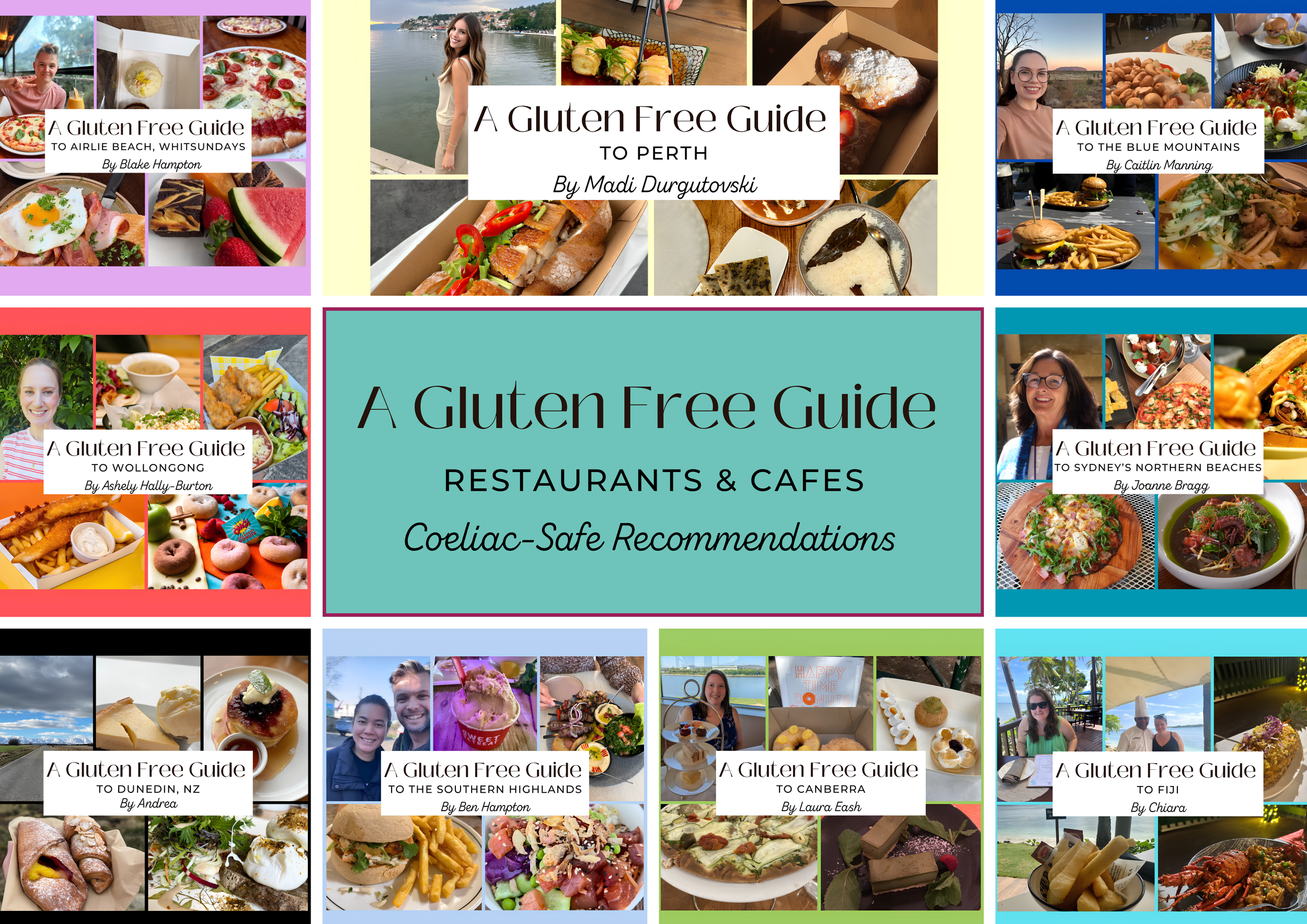
Once you feel confident dining at gluten free restaurants and cafes, read our Gluten Free Guides for up-to-date recommendations.
You might be comfortable asking whether a dish is gluten free, but what happens when the waiter says, "Yes, we have gluten free options, but we can't guarantee anything"? Or when someone tells you the meal is gluten free but doesn't seem confident about how it's prepared?
Rather than relying on a single yes or no answer, it can help to ask more specific questions.
For example:
"Is this dish suitable for someone with coeliac disease?"
"How do you prevent gluten cross-contamination when preparing gluten free meals?"
"Are the sauces, dressings and other ingredients gluten free?"
"Can you check with the chef if you're unsure?"
The answers should help you understand whether the restaurant has appropriate procedures in place. And if staff can't provide enough information for you to make an informed decision, it's reasonable to choose another dish or venue.
The goal isn't to ask as many questions as possible. It's to know which questions actually matter.
How to Avoid Gluten Cross-Contact When Dining Out
Gluten cross-contact occurs when gluten is unintentionally transferred from gluten-containing foods to food that would otherwise be gluten free. This can happen during preparation, cooking or serving.
For example, gluten-free food may come into contact with crumbs, flour residue, shared equipment or cooking surfaces that haven't been appropriately cleaned. Some restaurants have dedicated gluten-free preparation areas or equipment, while others use carefully managed procedures within shared kitchens.
“If someone doesn’t understand why you need to ask questions about your meal, remember that coeliac disease isn’t simply a food preference. You deserve to enjoy eating out without feeling guilty for having dietary requirements.”
Neither the words "shared kitchen" nor "gluten-free option" tell you everything you need to know about the actual risk. What matters is how the restaurant manages food preparation. And this is where things can become confusing, because not every shared appliance or cooking situation carries the same risk.
Understanding the difference can help you avoid genuine gluten exposure without unnecessarily limiting where you eat.
Watch out for hidden sources of gluten on restaurant menus
Some gluten-containing foods are easy to recognise. Regular bread, pasta, pastries and battered foods are obvious examples. But other sources of gluten aren't always as easy to identify from a menu description. Depending on the recipe, gluten-containing ingredients may be present in sauces, marinades, gravies, dressings, seasonings or garnishes.
Read more of Nicole Marie’s professional tips and practical support across the entire Ask the Dietitian series at A Gluten Free Family
A dish that appears gluten free at first glance might contain an ingredient you hadn't considered. For example, grilled meat and vegetables might sound straightforward, but what about the marinade or sauce? Similarly, a salad may look suitable until you consider the dressing, croutons or other additions.
This doesn't mean these foods are always unsafe. It simply means you can't determine whether a meal is suitable based on its name or appearance alone. And while learning common sources of gluten is helpful, being able to communicate effectively with restaurant staff is just as important.
How to handle gluten free eating out with friends and family
Sometimes, the hardest part of eating out with coeliac disease isn't choosing the food. It's the social side. Maybe you feel uncomfortable asking everyone to change restaurants. Perhaps you're tired of explaining why you can't just have a small bite. Maybe you've stopped accepting invitations because finding somewhere suitable feels like too much effort.
If any of that sounds familiar, you're certainly not alone. One thing that can help is being involved in choosing the venue rather than waiting until everyone else has decided. You might suggest a few restaurants you've already researched or explain your requirements before plans are finalised.
And if someone doesn't understand why you need to ask questions about your meal, remember that coeliac disease isn't simply a food preference.
You deserve to enjoy eating out without feeling guilty for having dietary requirements.
A simple gluten free dining checklist
Before your next restaurant booking, consider how confident you feel answering these questions.
Do you know how to assess whether a restaurant can cater for coeliac disease?
Would you know what to ask if a waiter said they couldn't guarantee there would be no traces of gluten?
Could you identify the difference between a genuine cross-contact concern and a precaution that might not be necessary?
And if you've been relying on how you feel after eating to decide whether a restaurant is safe, are you confident that's giving you the full picture?
Think you're managing coeliac disease correctly?
These 15 questions might make you think twice.
I've created a free self-check covering food labels, nutrition, cross-contact, symptoms and long-term management.
See how many you can confidently answer without having to Google them.
→ Download the free 15-question Coeliac Self-Check HERE
Not sure if you're actually buying the right foods for you?
This is exactly what I help my clients work through. Because the goal isn't to make your gluten free diet more complicated or restrictive.
It's to help you feel confident that the foods you're choosing are not only safe for coeliac disease, but nutritionally balanced and actually meeting your individual needs.
We can review what you're currently eating, your nutritional requirements, relevant blood results and any ongoing symptoms, then identify practical changes that suit your lifestyle.
Sometimes, it's not about buying more gluten free products. It's about making better-informed choices with the foods you're already eating.

Don’t know where to get started with your gluten free diet OR whether your gluten free diet is actually meeting your nutritional needs? Get expert, evidence-based nutrition support today.
Book a consultation with Accredited Practising Dietitian Nicole from the Gut Health Group, who has supported hundreds of people with coeliac disease to confidently manage their condition, understand labels and build a nutritionally balanced, sustainable gluten free diet..

Thank you for reading this series at A Gluten Free Family. If you would like to support the show and help us continue our work to improve awareness, education and make change in the world for coeliac disease and the gluten free diet, subscribe to our Buzzsprout.
We have access to prizes, discounts, ad-free shows, bonus content coming soon and a shoutout on the podcast as well!