NEWS: U.S. Food and Drug Administration Push for Transparent Gluten Labelling
An RFI request from the FDA signals a push for improved gluten labelling laws in the United States
Share this post:
Hey Gluten Free Fam,
Some potentially important news has emerged for coeliacs and gluten free consumers in the United States. The country’s Food and Drug Administration (FDA) issued a press release explaining they have issued a Request for Information (RFI) regarding labelling and preventing cross-contact of gluten in packaged food.
The agency says they are taking this action as a first step to improve transparency in disclosures of ingredients that impact various health conditions, with coeliac disease being prominent amongst established food allergens.
US Community Support Need for Gluten Label Updates
As we know, nothing that happens in government occurs by mistake. Either big financial forces are at play, or there is enough pressure applied by constituents to get traction on updates to legislation. The same can be said for this latest move by the FDA.
The release outlined that a citizen petition on gluten labelling was received. Following a review that includes reports by the Food and Agriculture Organisation of the United Nations expert consultation, serious data gaps have been exposed.
From the FDA’s own admission, they acknowledge the work others have made in this space and encourage their involvement down the line to see if the RFI request delivers further results.
“People with coeliac disease or gluten sensitives have had to tiptoe around food, and are often forced to guess about their food options,” remarked FDA Commissioner Marty Makary M.D., M.P.H. “We encourage all stakeholders to share their experiences and data to help us develop policies that will better protect Americans and support healthy food choices.”
Controversial RFK’s MAHA Agenda Tied to FDA Move
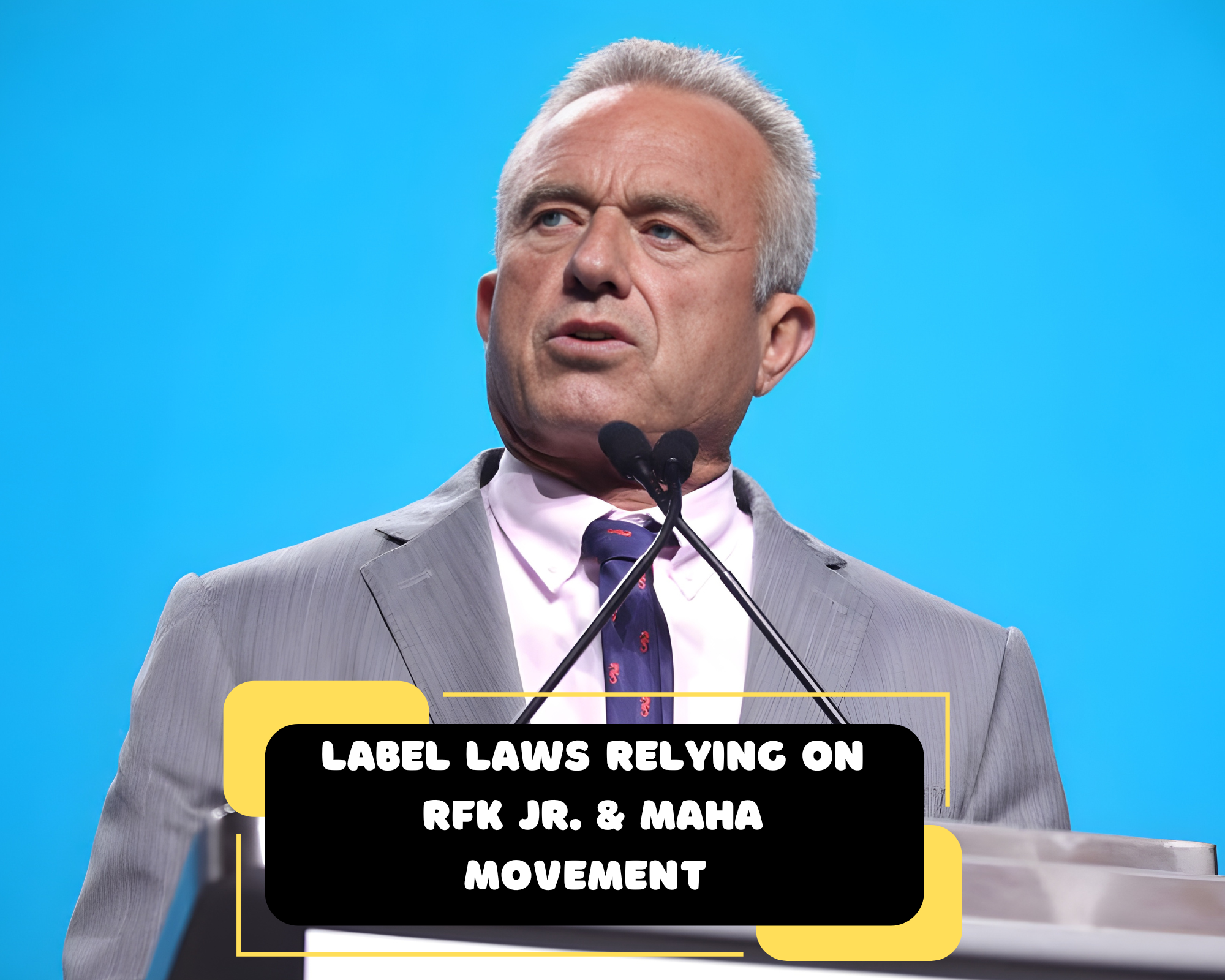
Image: Gage Skidmore
There’s no question improved labelling transparency would be a net positive for consumers across the board, particularly when it comes to those who suffer from autoimmune conditions such as coeliac disease. However, when it comes to advocating for change and actually implementing effective policy, the jury remains out.
This is especially the case when it comes to Health and Human Services Secretary Robert Kennedy Jr. under the Trump administration. Under their Make American Healthy Again (MAHA) agenda, RFK Jr. has undertaken dangerous policy positions, including the elevation of vaccine skeptics to key roles, linking vaccines to autism, and promoting saturated fats in an attempt to reinvent the food pyramid. In many cases, RFK Jr.’s positions directly contradict the advice of health experts.
“Today, we advance the MAHA Strategy’s directive by demanding radical transparency in packaged food ingredients that affect health conditions and diet-related allergies,” RFK Jr. announced. “Americans deserve clear, reliable information about what’s in their food and how it’s made. Public input calling for honest labelling will protect consumers, prevent harm, and Make America Healthy Again.”
For our American community, we hope this statement is put into effect. If ingredients such as wheat, rye, barley, oats and all cross-contact elements are transparently labelled, coeliacs can invest in products with genuine confidence. The physical and mental health benefits will be exponential, and this is before assessing the financial benefits, particularly in a country where healthcare costs continue to set the record per-capita of any other nation.
Gluten and Food Labelling Remains a Global Issue
We are no strangers to food labelling laws at A Gluten Free Family and A Gluten Free Podcast. Ben spoke in-depth with Dr. Kim Faulkner Hogg to highlight the best label reading techniques from an expert’s perspective. We also delved into the contentious field of the ‘may contain’ label, and why it’s necessary to proceed with caution with those brands.
For Australians and many others across the Western World, there remains problems and complications with how ingredients are listed, and more importantly, how governments and regulatory agencies enforce provisions to ensure customers have the best information to hand.
In the US, this latest announcement is intended to be a first step in the hope that real progress takes place. “The FDA intends to use the information (from the RFI request) to support a determination on what type(s) of future regulatory actions we should take to better protect consumers with coeliac disease.”

Thank you for reading these stories at A Gluten Free Family. If you would like to support the show and help us continue our work to improve awareness, education and make change in the world for coeliac disease and the gluten free diet, subscribe to our Buzzsprout.
We have access to prizes, discounts, ad-free shows, bonus content coming soon and a shoutout on the podcast as well!