My Daughter Was Six When We Discovered She Had Coeliac Disease
Share this post:
GUEST BLOG: Ashleigh Suzi
In early 2025, my daughter started school. She was six years old, full of life, packing her little lunchbox every morning and heading off with her sandwiches and wraps, completely unaware that the food she was eating was quietly making her sick.
By March or April, something started to change.
She was constantly complaining of tummy aches. She was bloated, uncomfortable and couldn’t finish her meals. Pasta, toast, sandwiches, anything with gluten, and she’d often push it away. Her little belly would become distended and sore.
Her stools had never really been right either, but we didn’t know any different. This was just her normal.
Except it wasn’t normal.
The Early Signs of Coeliac Disease in My Six-Year-Old Daughter
We initially went to a nutritionist and had some thorough blood tests done to see if she had a food allergy, but coeliac hadn’t crossed my mind at this stage. We happened to be heading to Europe for a month while we were waiting for her results.
I watched my daughter eat croissants, pasta and bread all across Europe, and towards the end of the trip I said to my husband, “I think this is gluten. I think this could be coeliac disease.” I watched her face puff up. Her under-eyes became red and raw. Rashes appeared across her body. Her mood changed.
She wasn’t herself. She was a completely different kid.
A Trip to Europe Made Me Realise Something Was Seriously Wrong
The moment we got home, I took her off gluten immediately, and the change was almost instant. I just couldn’t watch her keep going through this. But then came the next blow. The results came back showing a wheat allergy, so we booked in with an allergist.
It was actually in his office, almost by accident, that everything changed. He noticed a rash on her arm and asked me, “Has she been tested for coeliac disease?” She hadn’t. Her bloods came back positive.
From a Wheat Allergy Diagnosis to Positive Coeliac Blood Tests

Ashleigh highlights the emotional impact of coeliac disease with children
What followed was one of the most emotionally complex periods of my life. We were told that she needed to remain on a full gluten diet in case of an endoscopy. For three months.
From the end of August through to the end of November, I had to watch my daughter eat something that I knew was making her sick, knowing exactly why she was suffering, but feeling completely powerless because we needed that diagnosis confirmed. Her endoscopy came back positive. Coeliac disease confirmed.
The Emotional Impact of a Coeliac Disease Diagnosis
That’s when, for me, everything really started to spiral. The grief hit me like a wall. I felt this overwhelming sadness and heaviness, and I went through a period of real depression and panic attacks. Because it wasn’t just the diagnosis. It was everything that came with it. It really can be life changing.
Checking labels, trying new foods, birthday parties, new appliances at home, at the grandparents, goodbye to eating out, her emotions, teaching the close ones around us about coeliac, and so much more.
When Gluten-Free Also Became Dairy-Free
She also had a dairy intolerance, which is something I later learned can occur alongside coeliac disease, but nobody had prepared me for that. So it wasn’t just gluten free. It was gluten free AND dairy free. For a six-year-old.
For a family that loves travelling, camping, bike rides, being outdoors and eating on the go, suddenly everything required planning.
Searching for Support for Children With Coeliac Disease
I remember spending so many late nights searching for resources. I was looking for information specifically about coeliac disease in children. Gluten-free and dairy-free snacks that were actually designed with kids in mind. Vitamins and supplements. Nutritional information. Anything that could help me understand how to make sure my daughter was getting what she needed.
What I found was incredibly limited. So much of the information, products and support seemed to be aimed at adults. Adults. Adults. Adults. But my daughter was six. She deserved better.
The Challenges of Managing Coeliac Disease at School
Another area we’ve really struggled with has been school. I’ve had conversations with her teacher multiple times about her coeliac disease, and while I was always told that they understood, there were so many situations where it became clear that they didn’t fully understand what it actually meant.
For example, they would do sandwich making activities in class. My daughter was essentially told that she could just watch and didn’t have to participate. I explained that I was more than happy to provide her with her own gluten-free ingredients so she could be included, because I don’t want her constantly being the child who has to sit out.
They say, “Yes, bring her bread and she can use the condiments we have,” which I have to explain she can’t, and I have to provide them also. But then you start thinking about the practicalities that adults might not even consider. She is six years old.
“The pharmacist asked whether she had any allergies. I said, “She has coeliac disease.” He just stared at me. I said, “She can’t have gluten.” And his response was essentially, “What’s that got to do with medication?” I was honestly shocked. These are the people in healthcare that we’re supposed to trust.”
If she’s touching gluten-containing bread or flour and then going back to her desk, does she remember that she needs to wash her hands? Does she know that her desk needs to be cleaned before she eats? Does she understand that touching her mouth or her food after handling gluten could be a problem?
They’ve made pasta necklaces in class, where she’s wearing a necklace made from pasta, touching it and playing with it throughout the day. And I’m left wondering whether anyone has thought about what happens when she goes to eat her lunch afterwards.
There was even an Easter situation where her teacher sent her home with gluten- and dairy-containing Easter eggs, essentially saying, “That’s okay, you guys can have them, and she can play with the little basket they came in.”
I eventually had to ask her teacher quite directly: “Do you actually understand what coeliac disease is?” Her answer was no.
Why Children With Coeliac Disease Need Support From Adults
That was incredibly difficult to hear because we were six or seven months into the school year. I’d spoken to her about it multiple times, yet she’d never once approached me to ask questions or try to understand it better.
I had a similar experience when speaking with the principal, where there was also a lack of understanding and I was told that they would need to speak to the school nurse about it. And I think that’s what has been so hard for me as a mum, constantly having to nitpick every situation and think about things that other parents don’t have to think about.
I have to trust my six-year-old to remember to wash her hands. To understand when something might have been contaminated. To remember that she can’t just eat something because someone has offered it to her.
We’re incredibly lucky because she is actually fantastic at it. She understands her coeliac disease, she is careful, and she advocates for herself so well for such a young child. But she’s six. I don’t think all of that responsibility should fall on her.
The adults around her should be helping her. They should understand what coeliac disease is and what they need to do to keep her safe, rather than leaving it to a six-year-old to navigate.
Coeliac Disease Is Different From a Food Allergy
I know that peanut allergies and other severe allergies are often much more visible to people. There can be an immediate, external and potentially life-threatening reaction, so schools have become much more accustomed to recognising those risks and putting procedures in place.
Coeliac disease is different, but I think that’s actually part of the problem. The reaction to gluten exposure isn’t necessarily something you can see happening in front of you. It’s happening internally.
Just because my daughter doesn’t immediately collapse or have an obvious reaction doesn’t mean that nothing is happening. Gluten exposure still matters. And I think there needs to be much more understanding around that.
Just because you can’t see it doesn’t mean it isn’t happening.
Advocating for My Daughter in Hospital and Healthcare
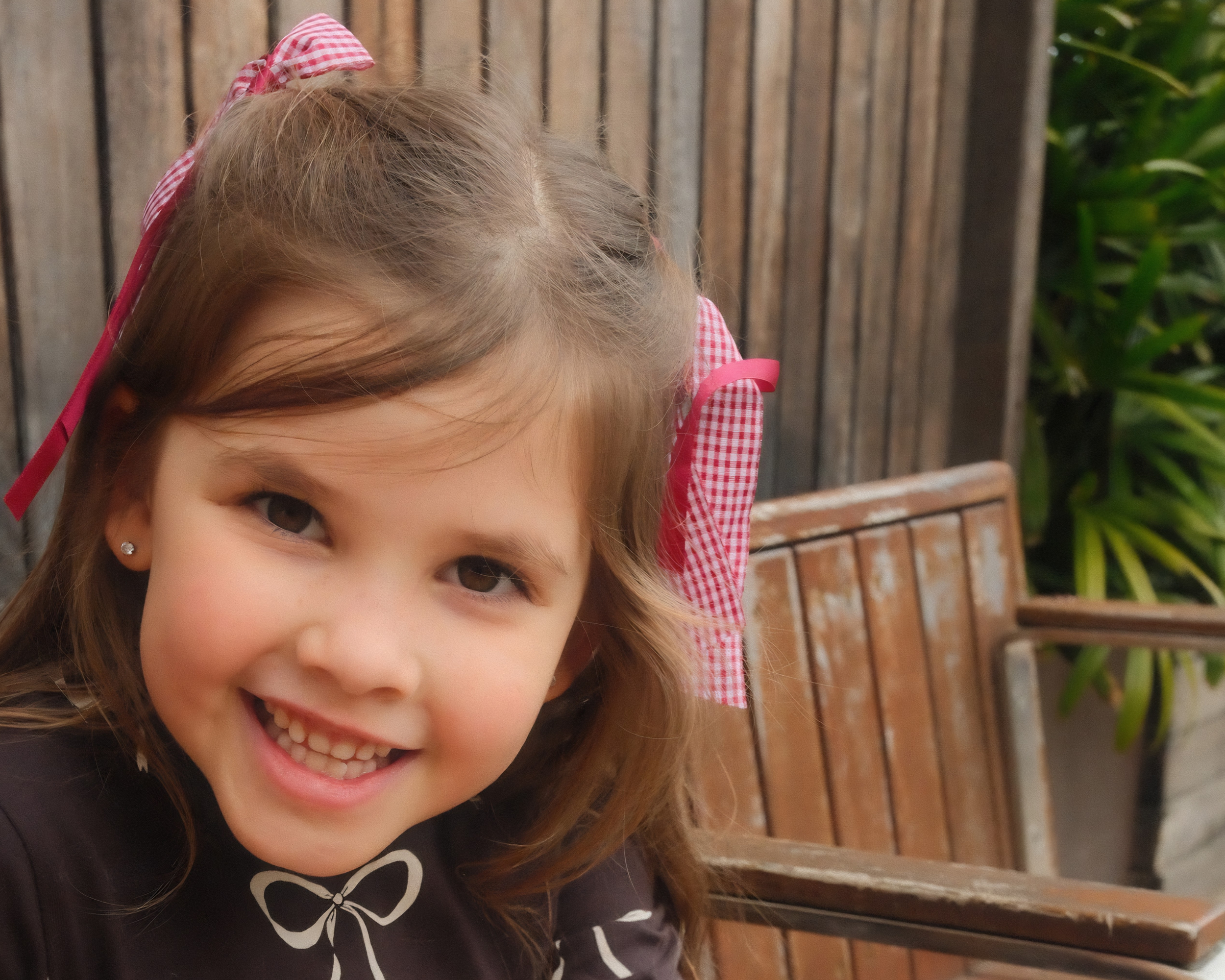
Ashleigh’s story offers another real life example of Australia’s healthcare failings to help the coeliac community
What’s really reinforced to me recently is just how important education and advocacy is. This was an experience we had only recently when my daughter became very unwell and ended up in hospital. Even though I have become so much more knowledgeable about coeliac disease over the past year, I still found myself having to advocate for her in situations where I really didn’t expect to.
When they were trying to give her medication, I explained that she has coeliac disease and they needed to be careful about the ingredients in medications. I mentioned that some medications can contain gluten, and that I was simply trying to be cautious and make sure everything she was given was suitable for her.
Nobody seemed to know what I was talking about. There was no awareness.
Then, when they were trying to get some food into her, they knew she had coeliac disease and a dairy intolerance, yet she was brought a completely normal sandwich with cheese and a yoghurt.
I asked the nurse, “Is that gluten and dairy free?” She said no, they didn’t actually have that option, and asked if I had something I could give her. I didn’t. I hadn’t come to hospital expecting we’d need to provide her meals ourselves.
Luckily, we live only five minutes away, so my husband was able to go home and get her something. But I couldn’t stop thinking about how poor that felt, in a hospital of all places.
What Happens When Healthcare Professionals Don’t Understand Coeliac Disease?
And then, when we were discharged, we had to go to the pharmacy to get her antibiotics. The pharmacist asked whether she had any allergies. I said, “She has coeliac disease.” He just stared at me. I said, “She can’t have gluten.” And his response was essentially, “What’s that got to do with medication?” I was honestly shocked.
These are the people in healthcare that we’re supposed to trust.
They’re the people handing our children medication and telling us it’s safe, and yet I’m the one standing there being asked to read the packaging and work it out myself.
And I keep thinking, what happens when a parent doesn’t know to ask? What happens when a parent doesn’t know that they need to advocate for their child? What gets missed then?
Coeliac Disease in Children Is About More Than Not Eating Bread
I just can’t believe that in 2026, this is still something we are dealing with. I’m not expecting every healthcare professional to be a coeliac expert, but I do think there needs to be a much greater understanding of what coeliac disease actually means, particularly when it comes to children.
Because it’s not simply, “Don’t give them bread.” It’s a lifelong autoimmune disease that affects every part of a family’s life, and when your child is the one with it, you become their advocate for absolutely everything.
That’s really why I wanted to share our story with you. Thank you for sticking with it if you made it this far.
I know it’s a lot, but from listening to the podcast, I know we’re not alone and if this story can help someone else in any way, it’s worth it.

Thank you for reading these stories at A Gluten Free Family. If you would like to support the show and help us continue our work to improve awareness, education and make change in the world for coeliac disease and the gluten free diet, subscribe to our Buzzsprout.
We have access to prizes, discounts, ad-free shows, bonus content coming soon and a shoutout on the podcast as well!