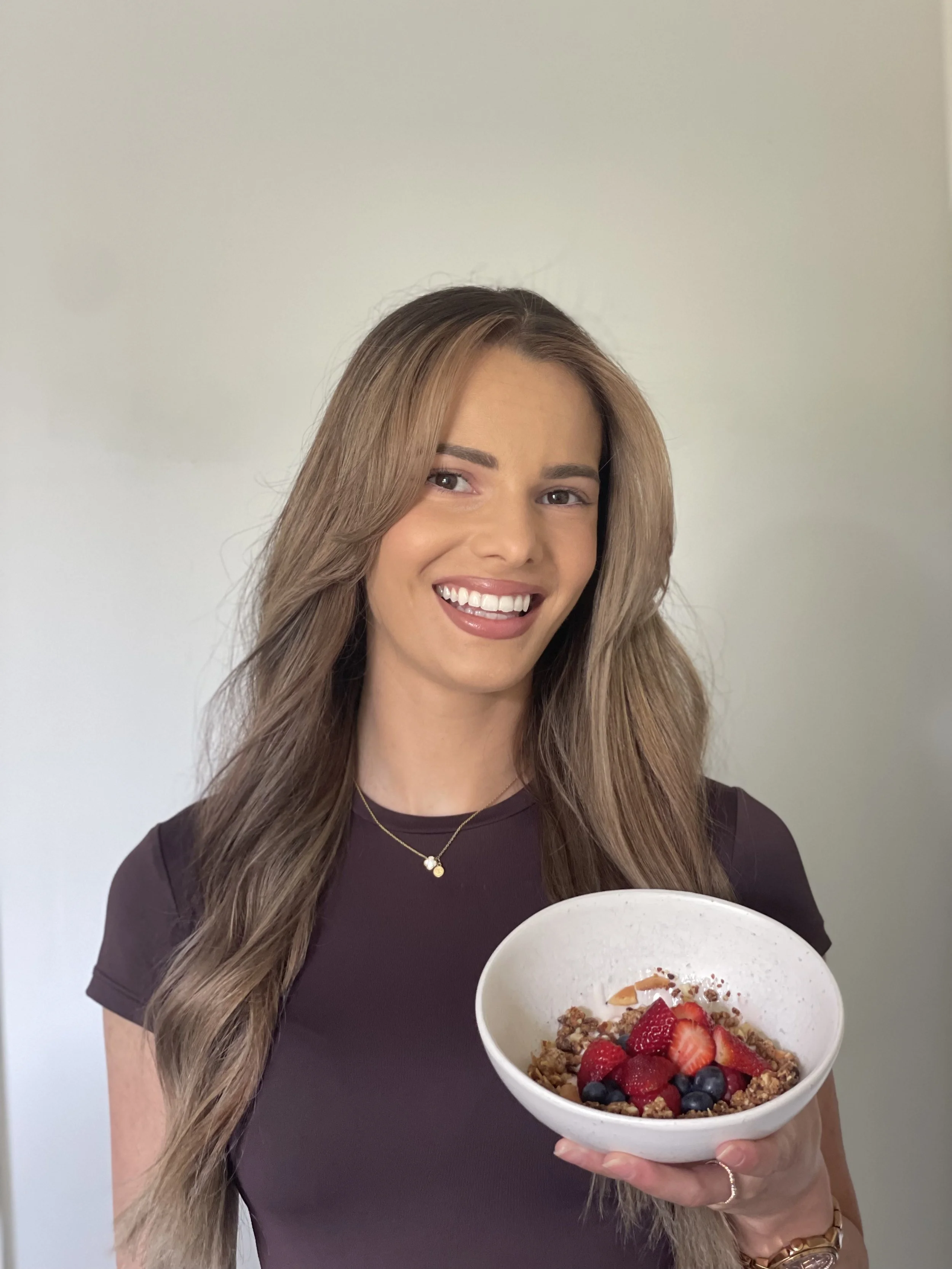
What to Eat When You're Newly Diagnosed With Coeliac Disease: A Beginner's Guide

Share this post:
Special Guest Blog Series from Gut Health Group’s Nicole Marie:
ASK THE DIETITIAN
Being diagnosed with coeliac disease can suddenly make something you've done every day without thinking, eating and feel all of a sudden super complicated.
You might find yourself standing in the supermarket wondering what you can actually buy, questioning foods you've eaten your entire life, or feeling like everything now needs to have “gluten free” written on the packet.
The good news is that a gluten free diet doesn't have to mean living entirely on specialised gluten free products. In fact, some of the easiest foods to start with are probably already part of your diet.
Here's a simple guide to help you understand what to eat with coeliac disease and start building a gluten free diet that is safe, balanced and actually enjoyable.
What is a gluten free diet for coeliac disease?
Once you've been diagnosed with coeliac disease, treatment involves following a strict, lifelong gluten free diet. That means removing gluten from your diet and learning how to prevent accidental exposure through cross-contact.
Gluten is found in wheat, rye and barley, which means everyday foods such as regular bread, pasta, cereals, biscuits, pastries and many other products need to be replaced or avoided. But gluten can also turn up in foods you might not immediately expect, which is why learning how to read food labels becomes such an important skill after diagnosis.
In Australia, a food making a “gluten free” claim must contain no detectable gluten under Australian food standards.
In this part of the world, oats also require special consideration due to the risk of cross-contact with gluten-containing grains and the presence of a protein called avenin. Australian and New Zealand food standards don't allow oat-containing products to be labelled gluten free. Current Australian guidance recommends discussing the introduction of specially produced, uncontaminated oats with your healthcare team, as a small proportion of people with coeliac disease may also react to oat avenin.
It can sound like a lot initially, but you don't need to learn everything overnight.
What to eat with coeliac disease: naturally gluten free foods
One of the easiest places to start is with foods that are naturally gluten free. Rather than looking at everything you can no longer eat, start with everything that can still form the foundation of your meals.
This includes foods such as:
Protein: eggs, chicken, beef, lamb, pork, fish, seafood, tofu and legumes
Fruit and vegetables: fresh, frozen and canned varieties without gluten-containing additions
Dairy: milk, yoghurt and cheese without gluten-containing additions
Nuts and seeds: almonds, walnuts, chia seeds, flaxseeds and others
Gluten free carbohydrates: rice, potato, sweet potato, corn, quinoa, buckwheat
Healthy fats: extra virgin olive oil, avocado, nuts and seeds
A simple way to approach meals is to think:
Protein + gluten free carbohydrate + vegetables/fruit + healthy fat.
For example, grilled chicken with rice, vegetables and olive oil is already naturally gluten free, you don't necessarily need a specialised “gluten free meal.” Building your diet around a variety of naturally gluten free foods can also help make sure nutrition doesn't get forgotten, while you're concentrating on avoiding gluten.
Check out gluten free wholefood meals recommended by a gut health dietitian. These are some of my favourites gluten free wholefood meals I made, proof that eating well doesn’t have to mean restriction or spending hours in the kitchen.
What foods to avoid with coeliac disease?
The obvious foods containing gluten include regular bread, pasta, cereals, cakes, biscuits and pastries made from wheat, rye or barley. But it's the less obvious sources that can make the beginning confusing.
Gluten-containing ingredients can appear in processed and packaged foods, sauces, seasonings and other products, so you can't always tell whether something is suitable simply by looking at it. This is where label reading becomes essential.
Australian allergen-labelling requirements make identifying wheat, rye, barley and oats in ingredient lists slightly easier. These grains must be declared when ingredients are derived from them and allergen summary statements also help identify relevant allergens.
One of the most useful skills you can develop after diagnosis is not memorising hundreds of “safe” and “unsafe” foods. It's learning how to assess a product yourself. That gives you much more freedom and confidence when shopping, travelling or trying something new.
What about gluten free bread, pasta and alternatives?
You absolutely can still eat bread, pasta, cereal, crackers and many of the foods you enjoyed before diagnosis, you'll just need suitable gluten free alternatives. The gluten free section of the supermarket can make this transition much easier.
However, there's something worth remembering: “Gluten free” tells you something about gluten. It doesn't automatically tell you how nutritionally balanced a food is. If you simply replace every wheat-based food you previously ate with a packaged gluten free equivalent, the nutritional profile of your overall diet can change.
“Make your diet gluten free without forgetting everything else that makes a diet nutritious.”
Research examining people with coeliac disease following a gluten free diet has identified inadequacies in fibre and several micronutrients, although individual requirements and dietary intake vary considerably.
So rather than asking only: “Is this gluten free?” Start getting into the habit of also asking: “What is this food actually giving me nutritionally?”
Your gluten free bread and pasta can absolutely have a place. The aim is simply to combine these products with plenty of naturally gluten free whole foods and variety.
Understanding cross-contamination with coeliac disease
Choosing gluten free food is only one part of managing coeliac disease. You also need to think about cross-contact, when gluten free food comes into contact with gluten during preparation, cooking, storage or serving.
Imagine putting perfectly gluten free bread into a toaster filled with crumbs from regular bread. The bread started gluten free, but the way it was prepared has introduced a potential source of gluten.
The same principle can apply to shared spreads containing crumbs, cooking equipment, preparation surfaces and restaurant kitchens. This doesn't mean you need to become frightened of your kitchen or throw everything away.
Instead, you need to understand where cross-contact actually matters and how to manage it practically. This is particularly important if you live in a household where other people continue eating gluten. And it's an area where personalised education can be incredibly useful, because being unnecessarily restrictive can make living with coeliac disease harder than it needs to be.
A simple day of gluten free meals for a coeliac
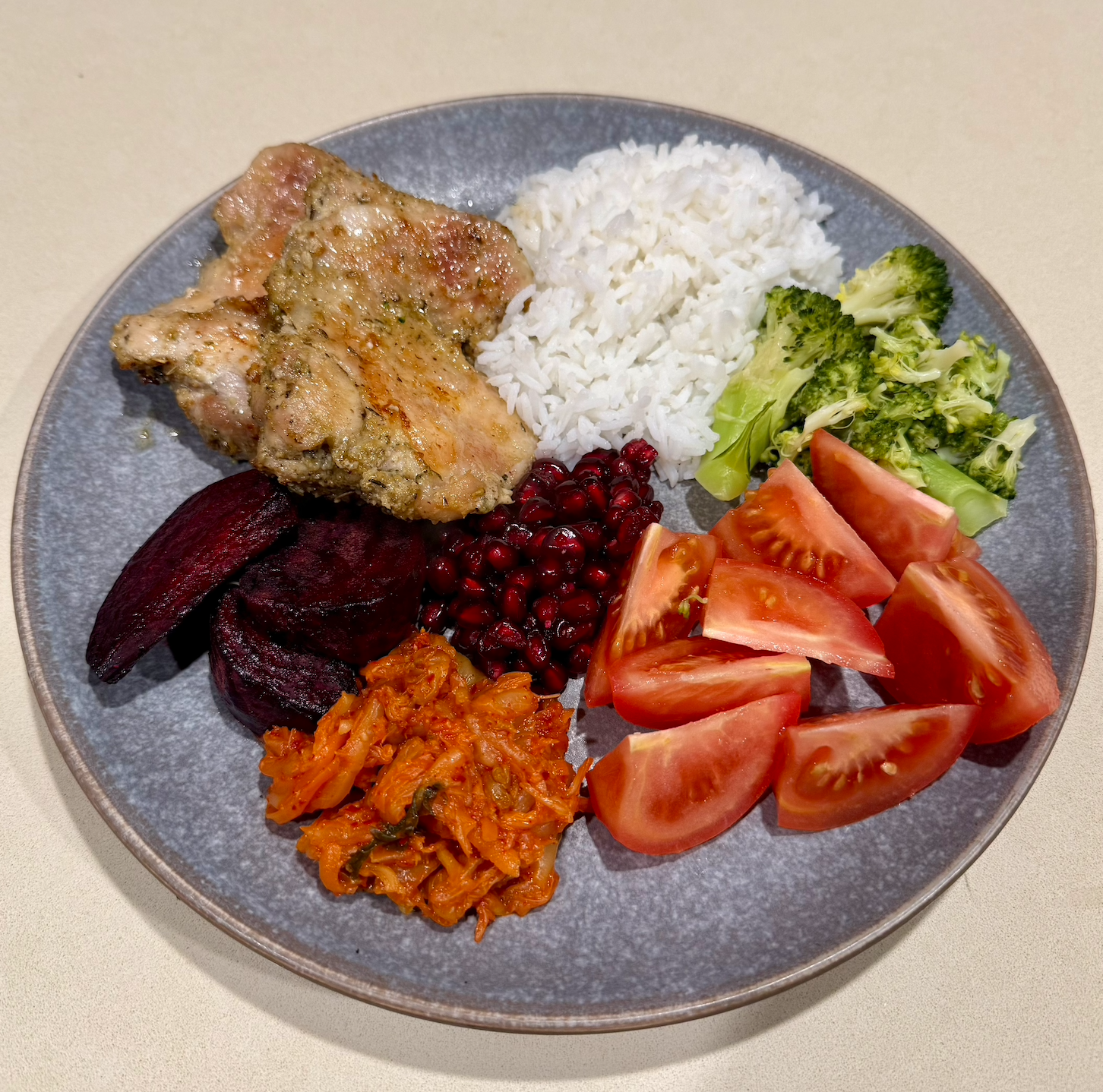
Achieving a healthy, balanced gluten free diet is possible for coeliacs
Not sure what your day could actually look like? Here's one simple example:
Breakfast: Gluten free seeded toast with eggs, avocado + tomato + fruit
Morning snack: Greek yoghurt with berries, nuts and seeds
Lunch: Chicken and quinoa bowl with salad vegetables, chickpeas, feta and extra virgin olive oil
Afternoon snack: Fruit + a handful of nuts
Dinner: Salmon with roasted potato, broccoli and other vegetables
Dessert: Peanut butter filled chocolate coated dates + sea salt
Nothing particularly unusual. And that's the point! A nutritionally balanced gluten free diet doesn't need to consist of complicated recipes or expensive specialty foods.
Your individual needs will vary depending on your age, health, activity levels, nutritional status and dietary preferences, but the basic goal is the same: Make your diet gluten free without forgetting everything else that makes a diet nutritious.
The goal isn’t to make every meal perfect. It’s to build meals that are satisfying, nutritionally balanced and actually enjoyable. With that in mind, take a look at what a balance gluten free meal actually looks like. This post offers 5 balanced gluten free meals anyone can prepare and enjoy for the week ahead.
Get started with your gluten free diet
The first few weeks after a coeliac disease diagnosis can feel overwhelming, so don't put pressure on yourself to master everything immediately.
Start with the foundations:
Learn which foods are naturally gluten free.
Learn how to read Australian food labels properly.
Find a few gluten free alternatives you genuinely enjoy.
Understand the important cross-contact risks in your own kitchen.
And then start looking beyond simply removing gluten to whether your new diet is actually meeting your nutritional needs. Because ultimately, managing coeliac disease isn't about creating the most restrictive diet possible. It's about creating a diet that is safe, nutritionally balanced, enjoyable and sustainable for the rest of your life.
Looking for a sweet gluten free treat?
Going gluten free doesn’t mean giving up the foods you enjoy. I’m a big believer that your gluten free diet should be both enjoyable and nutritionally balanced.
I’ve put together 2 of my favourite easy gluten free sweet treats that are simple to make and offer a little more nutrition than your typical sweet snack.

Don’t know where to get started with your gluten free diet OR whether your gluten free diet is actually meeting your nutritional needs? Get expert, evidence-based nutrition support today.
Book a consultation with Accredited Practising Dietitian Nicole from the Gut Health Group, who has supported hundreds of people with coeliac disease to confidently manage their condition, understand labels and build a nutritionally balanced, sustainable gluten free diet.
Thank you for reading this series at A Gluten Free Family.
If you would like to support the show and help us continue our work to improve awareness, education and make change in the world for coeliac disease and the gluten free diet, subscribe to our Buzzsprout.
We have access to prizes, discounts, ad-free shows, bonus content coming soon and a shoutout on the podcast as well!