What Is Coeliac Disease? From Diagnosis to the Gluten Free Diet

Practising Dietitian Nicole Marie from Gut Health Group delves into the essential coeliac disease questions
Share this post:
Special Guest Blog Series from Gut Health Group’s Nicole Marie:
ASK THE DIETITIAN
If you've just been diagnosed with coeliac disease or you're wondering whether you might have it, it's completely normal to have a lot of questions.
What actually is coeliac disease? What can you eat? Do you need to throw everything out of your kitchen? How strict does a gluten free diet really need to be?
The good news is that once you understand the basics, managing coeliac disease can become much less overwhelming.
Here's what you need to know.
What is coeliac disease?
Coeliac disease is an autoimmune condition, where eating gluten triggers an immune response that damages the lining of the small intestine.
Gluten is found in grains including wheat, rye and barley. In Australia, oats also require special consideration and aren't permitted to be labelled gluten free.
When someone with coeliac disease regularly consumes gluten or is regularly cross contaminated, the resulting intestinal damage can make it harder for the body to absorb nutrients properly. This is one reason why some people have nutritional deficiencies when they're first diagnosed.
Coeliac disease can develop at any age and you don't necessarily need to have obvious digestive symptoms to have it. Some people have significant gut symptoms, while others may experience symptoms elsewhere in the body or any noticeable symptoms at all.
It's also important to know that coeliac disease isn't the same as a food allergy or simply feeling better when you avoid gluten. It is a lifelong condition that requires proper diagnosis and ongoing management.
What are the symptoms of coeliac disease?
One of the reasons coeliac disease can be difficult to recognise is that it doesn't look the same in everyone.
Some people experience digestive symptoms such as bloating, abdominal pain, loose bowels, constipation, nausea or changes in their overall bowel habits.
Check out my appearance on Episode 206 of A Gluten Free Podcast with Ben Hampton
But symptoms aren't always gut-related.
Other people may experience ongoing fatigue, iron deficiency, headaches, mouth ulcers, skin problems or problems relating to bone health. Some people have very subtle symptoms, while others are diagnosed despite feeling relatively well.
This is why symptoms alone can't tell you whether you have coeliac disease. Many of these symptoms can occur with other conditions, including irritable bowel syndrome (IBS), so proper testing is important.
If you've had ongoing unexplained symptoms, recurrent nutrient deficiencies or have a close family member with coeliac disease, it's worth discussing whether coeliac disease testing is appropriate with your doctor.
Most importantly, don't remove gluten before you've been properly tested, as this can lead to inconclusive or inaccurate results.
How is coeliac disease diagnosed?
If you think you might have coeliac disease, resist the temptation to immediately start a gluten free diet.
For testing to be accurate, you need to still be regularly eating gluten during the diagnostic process. Removing gluten beforehand can affect the results and potentially make getting a clear diagnosis more difficult.
A coeliac disease diagnosis will usually begin with specific blood tests that look for antibodies associated with the condition.
Depending on the results and your individual circumstances, your doctor or gastroenterologist may then recommend a gastroscopy with small bowel biopsies.
“The goal isn’t simply to make your diet just “gluten free”. It’s to make it gluten free, nutritionally balanced, practical and enjoyable enough to maintain for life.”
These tiny tissue samples allow the specialist to look for the characteristic changes associated with coeliac disease and are commonly used to confirm the diagnosis in adults.
Requesting a coeliac genetic test, alongside a coeliac antibody blood test can also be useful, but it’s important to note that having the associated genes doesn't necessarily mean you have or ever will develop coeliac disease.
The exact diagnostic pathway can differ between individuals, so it's important to work through this with your medical team rather than trying to diagnose yourself based on symptoms.
What happens after a coeliac disease diagnosis?
Being handed a coeliac diagnosis and told to “just eat gluten free” can make it sound much simpler than it actually is.
After diagnosis, the treatment for coeliac disease is a strict, lifelong gluten free diet. Removing gluten allows the small intestine to begin healing and helps reduce the risk of ongoing health problems associated with untreated coeliac disease.
But there are a few other pieces of the puzzle.
Your healthcare team may assess whether you have nutritional deficiencies and determine what follow-up is appropriate. Iron, b12, vitamin D, calcium and other nutrients may need particular attention depending on your individual results.
Learning how to manage your new diet is another important step. This includes understanding food labels, recognising less obvious sources of gluten, preventing cross-contact and learning how to navigate restaurants, travel and shared kitchens.
A dietitian experienced in coeliac disease can also assess the nutritional quality of your diet and help make sure that removing gluten doesn't unintentionally mean removing important nutrients, variety or enjoyment from your food.
What does eating gluten free actually involve?
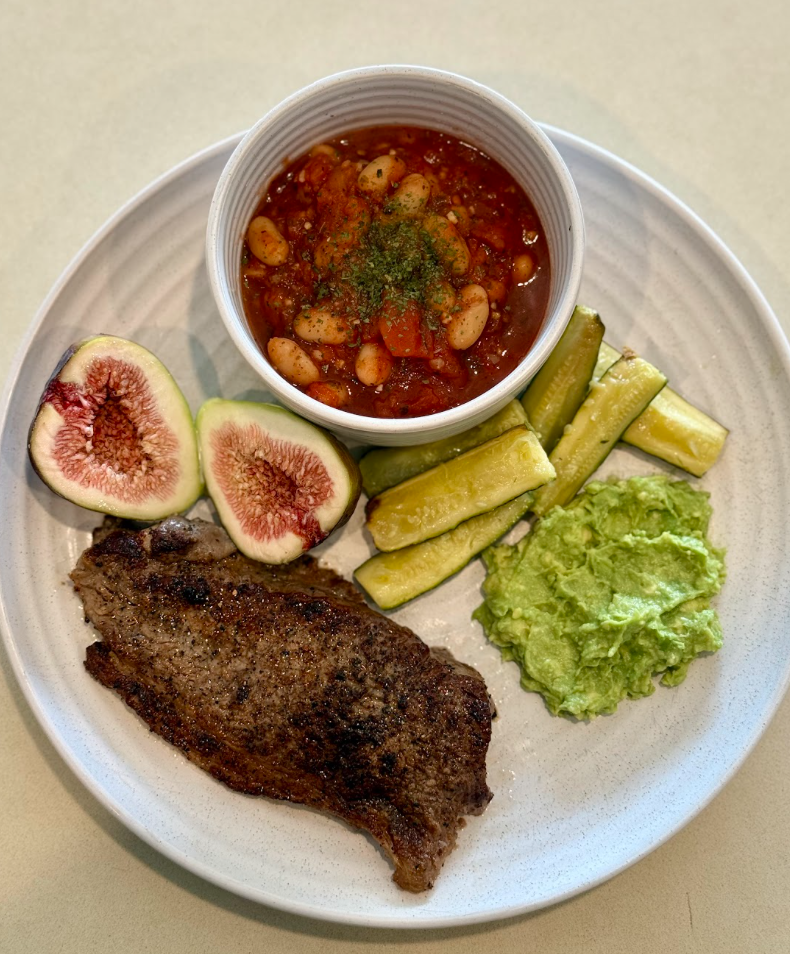
It’s not difficult to find naturally free gluten free food that supports a balanced gluten free diet
A gluten free diet involves much more than swapping regular bread and pasta for products labelled “gluten free”.
You'll need to learn where gluten can be found, how to ensure you’re getting enough of the right nutrients in your new gluten free diet to prevent ongoing nutrient deficiencies, read food labels correctly and how to reduce the risk of cross-contact during food preparation.
The good news? Plenty of nutritious everyday foods are naturally gluten free, including fruit, vegetables, legumes, nuts, seeds, eggs, dairy, unprocessed meat and fish and gluten free grains such as rice, quinoa and buckwheat.
One common mistake is focusing so heavily on avoiding gluten that the overall nutritional quality of the diet gets forgotten. Research has found that people following gluten free diets can have inadequate intakes of nutrients such as fibre and certain vitamins and minerals.
So the goal isn't simply to make your diet just “gluten free”. It's to make it gluten free, nutritionally balanced, practical and enjoyable enough to maintain for life.
There is a learning curve at the beginning, but with the right education and support early on, eating gluten free can eventually feel much more manageable.
Think you’re managing coeliac disease correctly?
These 15 questions might make you think twice.
Download the free self-check HERE and see how many you can confidently answer.

Don’t know where to get started with your gluten free diet OR whether your gluten free diet is actually meeting your nutritional needs? Get expert, evidence-based nutrition support today.
Book a consultation with Accredited Practising Dietitian Nicole from the Gut Health Group, who has supported hundreds of people with coeliac disease to confidently manage their condition, understand labels and build a nutritionally balanced, sustainable gluten free diet.

Thank you for reading this series at A Gluten Free Family. If you would like to support the show and help us continue our work to improve awareness, education and make change in the world for coeliac disease and the gluten free diet, subscribe to our Buzzsprout.
We have access to prizes, discounts, ad-free shows, bonus content coming soon and a shoutout on the podcast as well!