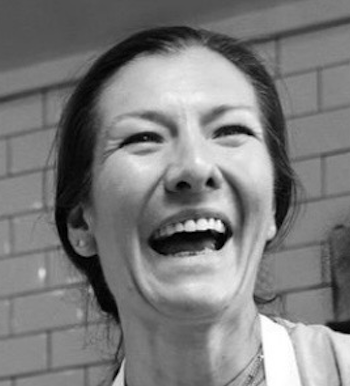
Why Most Gluten-Free Food Still Misses the Mark (And How I'm Trying to Fix It) by Monica Glass

Share this post:
GUEST BLOG: Monica Glass
A pastry chef who can't eat wheat. What the FRENCH BREAD, right?!
That was the joke I made to myself in 2009, right after I was diagnosed with celiac disease. It wasn't funny at the time, but how else would I cope? I'd spent my whole life building an identity around food: stealing rhubarb from my grandmother’s garden until she finally handed me an apron and taught me her secret pie recipe, being my dad’s sidekick in the kitchen, earning the nickname ChefMoni in college for cooking my roommates dinner after class, and finally falling in love with the restaurant industry itself.
Food was never just fuel for me. It was how I connected with people, how I understood my place in the world. And suddenly, the thing I loved most was making me sick.
I won't rehash the whole diagnosis story here. The short version is that it took over a decade of being dismissed by doctors, one collapse on the street in Union Square, and my mother's death before I finally got an answer. What I want to talk about is what happened next.
Building a business around a standard, not a restriction
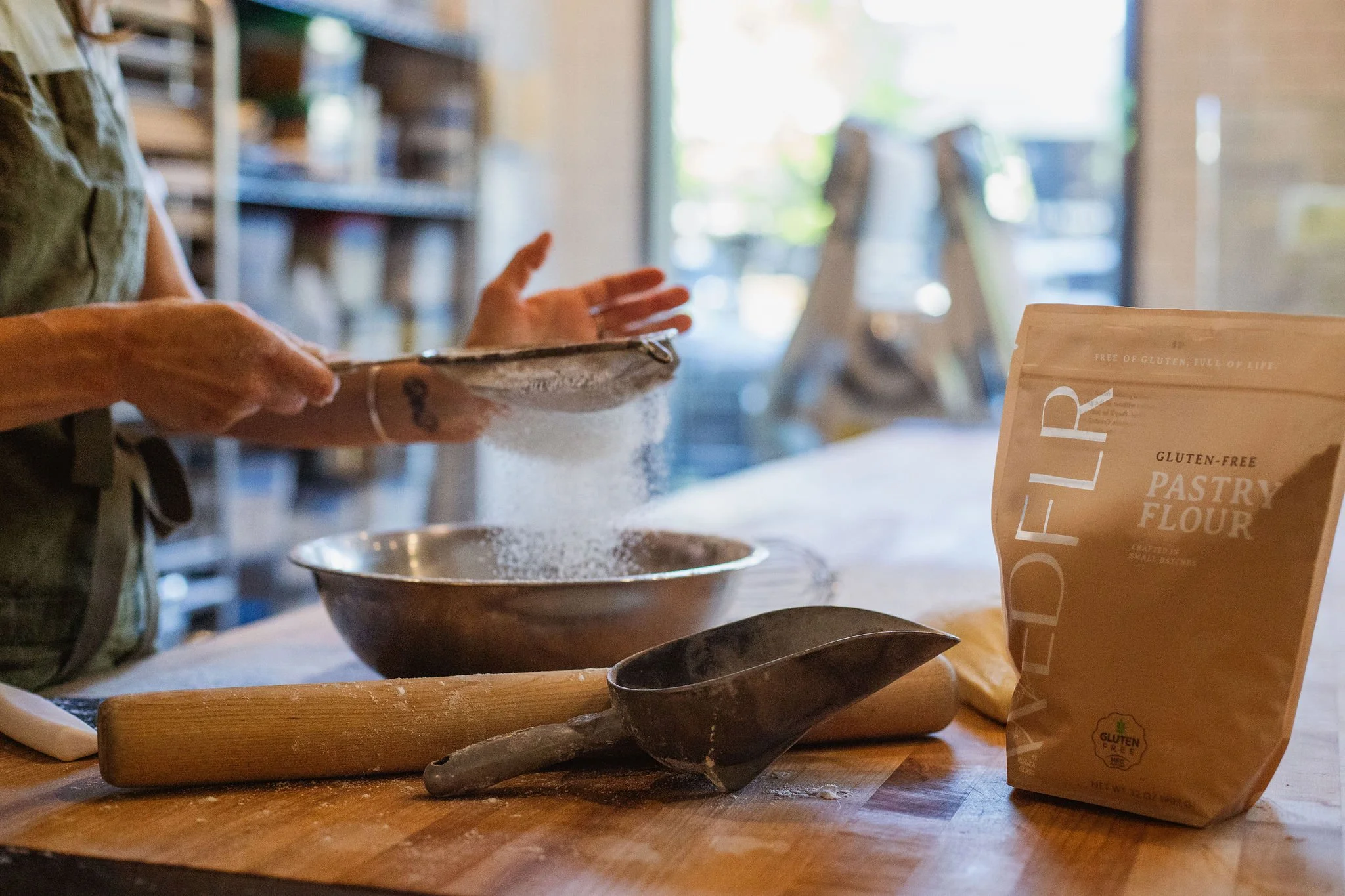
Monica’s WLDFLR gluten-free flour and baking mix brand continues to grow
When I started eating gluten-free, there wasn't much support, and even less palatable food. Most of what I found on shelves or on menus was dense, dry, and just sad, and it reminded you of everything you were missing. That is what I believe most gluten-free food still misses today: it's built defensively, to avoid a problem, instead of offensively, to be genuinely delicious.
I got obsessed with closing that gap. I wanted to create gluten-free food so good that nobody eating it would know. But I wasn't ready to trade my identity for a new one – I wasn't ready to become "the gluten-free chef." It was also strategic: I wanted to learn the rules of baking well enough to break them properly.
So after my diagnosis, I kept working as a "normal" pastry chef, studying on my own how flours behave and how to combine them so they act more like wheat. Everything I make now is still rooted in that classical technique; I just use it to make gluten-free food feel normal instead a substitution. I failed constantly at first, but every failure taught me something.
That obsession is what eventually became WLDFLR, my gluten-free flour and baking mix brand. Developing a flour blend that performs the way chefs and bakers expect was not a weekend project. It took hundreds of test batches and more inedible bites than I want to admit. But the goal was never just "good for gluten-free." It’s just good food, for everyone.
That same standard shaped what is now Verveine Café & Bakery, which I co-own and run in Cambridge, MA. Verveine is 100% gluten-free, but I don’t advertise it because I never wanted it to feel like the stigma. I wanted it to feel like your favorite neighborhood café that just happens to be safe and delicious for everyone. That, at its core, has always been my mission.
“Every product is carefully scrutinized; no gluten enters this space. Some of my staff live with celiac themselves, so the stakes are personal.”
Even after my diagnosis, even once I felt physically better, I still carried the emotional residue of being "the difficult one" at the table – asking questions, requesting modifications, watching everyone else enjoy the meal while I felt like a burden. That feeling doesn't go away just because you find a good recipe. It goes away when someone builds a table where you don’t have to ask.
So at Verveine, nobody has to ask. Even though they do still because it feels unbelievable to them. People with different dietary needs can still have the same experience, order off the same menu, and everyone leave happy and satisfied. That's the whole principle.
What running a niche food business has actually taught me
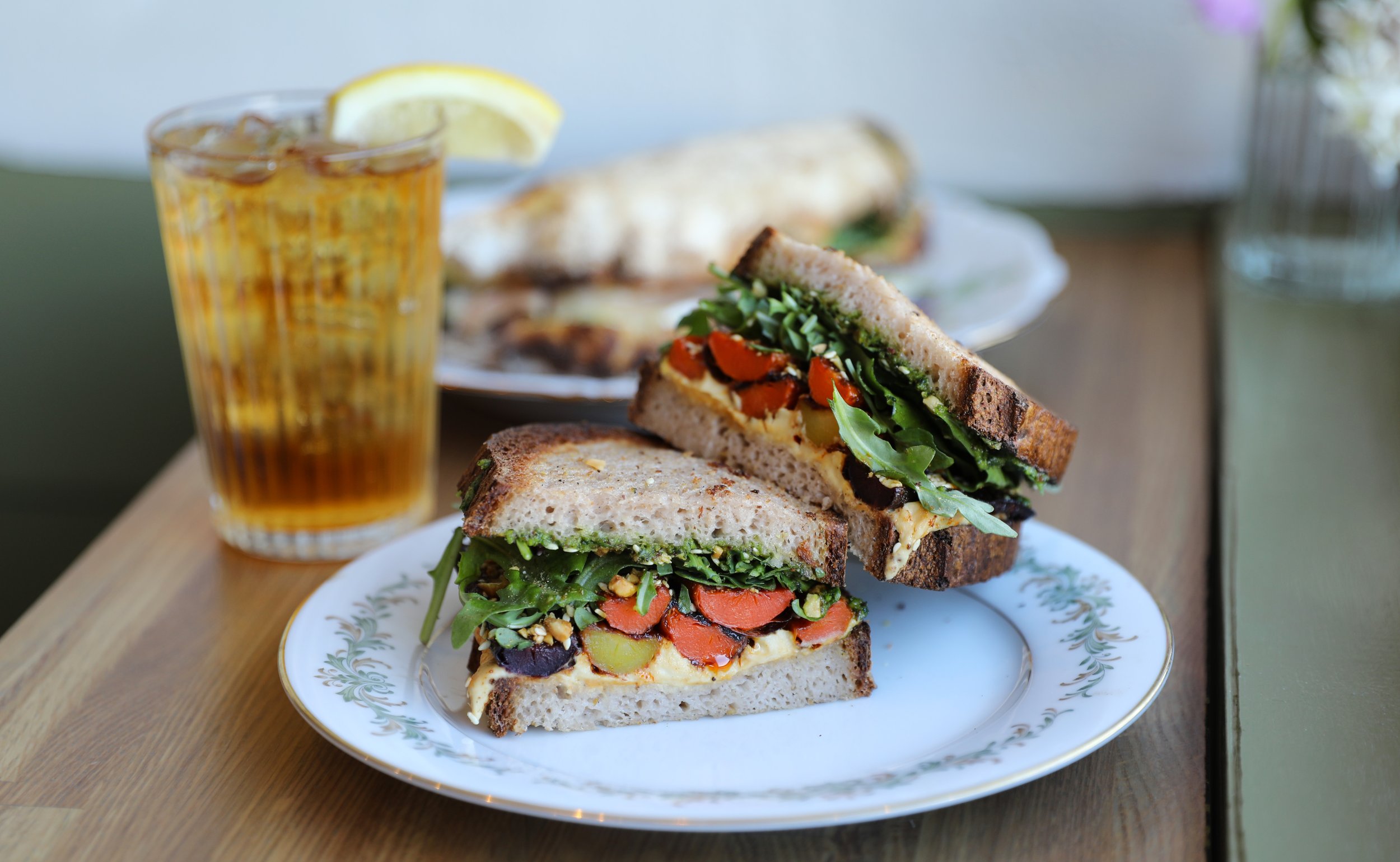
For Monica, the standard is clear - not just “gluten-free good,” but high-quality everytime
I could have never imagined my business would be this busy from the start and still growing 2+ years later. I’m continuously grateful for our community!
Running a high-performing business in a niche market means the margin for error is smaller and the standards must be higher, not lower. People who eat gluten-free out of necessity have usually been burned before, and you don’t get a second chance at their trust.
Getting there took more than good recipes. Everything has to be safe, every time. Every product is carefully scrutinized; no gluten enters this space. Some of my staff live with celiac themselves, so the stakes are personal.
Not everyone does, though, so I couldn't assume the seriousness would just be obvious. Getting buy-in meant explaining the "why" behind every protocol and training the team to believe in the mission.
A few things I've learned running Verveine and building WLDFLR that I think apply to any founder in a niche category:
Consistency is your real product. Anyone can make one great gluten-free loaf. Building a business means making that same loaf at the same quality or greeting your 300th guest with the same warmth as your 1st guest, on your worst day and your best day. Consistency builds trust.
Your standards are your superpower. And they don’t stop at the plate; they show up in a spotless bathroom, a clean counter, every corner of the space. Every detail is a signal, and people notice. Trust is built in the places you’re not watching for it.
Build the thing that solves your problem. My gluten-free work came from living it every day. The strongest ideas come from lived experience, not trends.
Innovation comes from restriction. Every constraint I hated forced innovation I never would’ve found otherwise, and kept me building for the person, not the restriction.
The strongest ingredient is belonging. Community will do more for you than any menu item. People find Verveine and WLDFLR looking for a place they don't have to explain themselves. Build that, and the loyalty follows.
Make it joyful (or it won’t last). If there’s no play, curiosity, or pleasure in it, burnout comes fast.
I still think about that seven-year-old girl in my grandmother's garden more than you'd expect for someone running two businesses and a staff of 40+. She just wanted to make people smile with food. Turns out that's still the whole job. I just had to figure out how to do it without the wheat.

Thank you for reading these stories at A Gluten Free Family. If you would like to support the show and help us continue our work to improve awareness, education and make change in the world for coeliac disease and the gluten free diet, subscribe to our Buzzsprout.
We have access to prizes, discounts, ad-free shows, bonus content coming soon and a shoutout on the podcast as well!
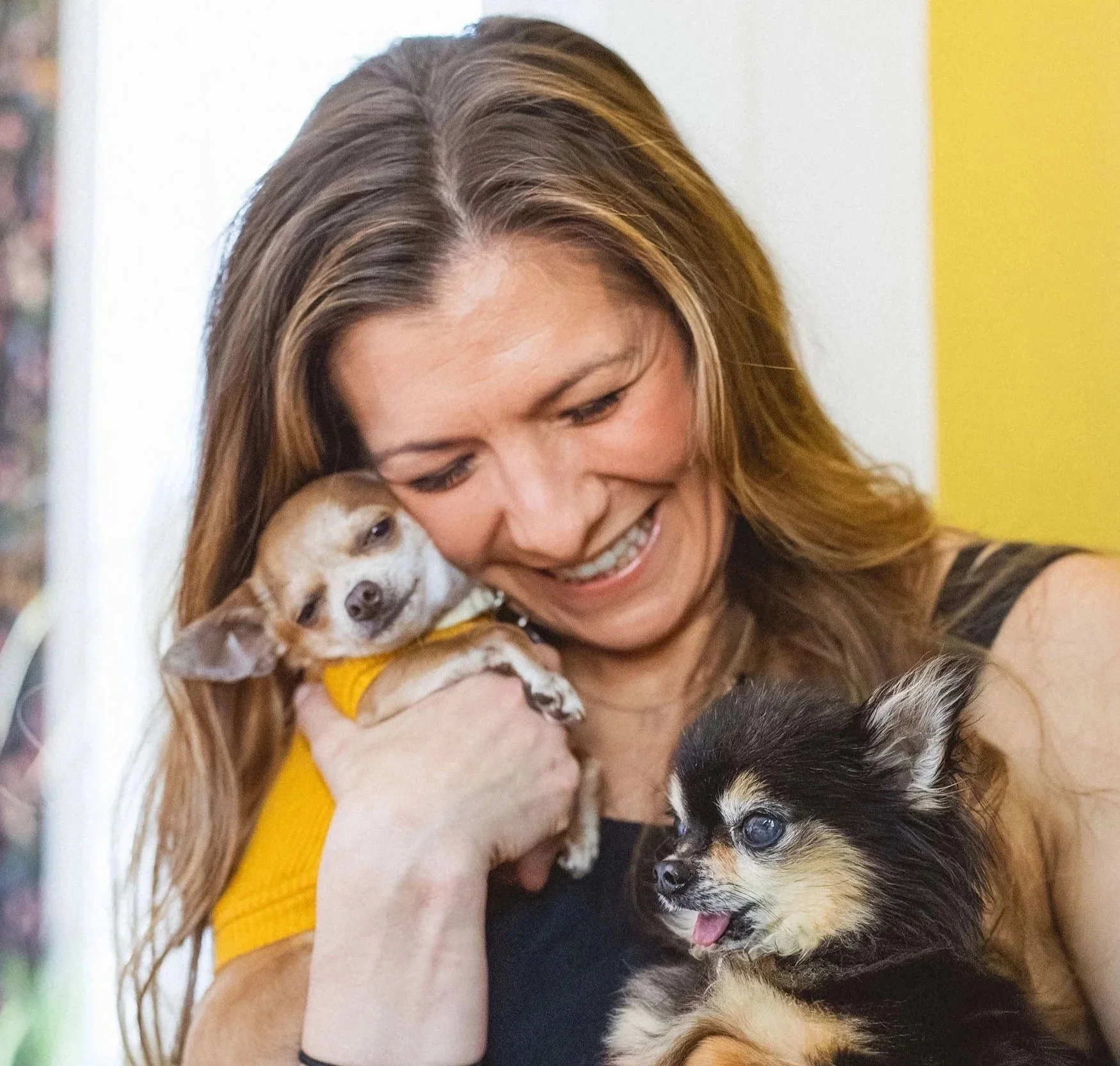
About the Author
Monica Glass is an award-winning chef, founder of WLDFLR Gluten-Free, co-owner and chef of Verveine Cafe & Bakery, nationally celebrated recipe creator, gluten-free culinary innovator, and life enthusiast passionate about sharing the deep connection between food, lifestyle, and joy.
It is her mission to help you fall in love with nourishing yourself through the kitchen while helping you live FREE OF GLUTEN, FULL OF LIFE™.