Is Gluten Messing with Your Mind? How the Gut-Brain Connection is Redefining Mental Health
Expert, researcher and clinician Dr. Deanna L. Kelly from the US delves into the science linking the gut-brain connection and mental health
Share this post:
GUEST BLOG: Dr. Deanna L. Kelly
“Let food be thy medicine and medicine be thy food,” said Hippocrates more than 2,000 years ago. The ancient physician was well ahead of his time. Today, science is revealing just how deeply our diet affects not only our bodies but also our brains, and one of the most surprising players in this story is gluten.
This is a critical issue, as one in five people in the United States currently lives with a mental illness. What if, for some, a dietary trigger was quietly contributing to those symptoms?
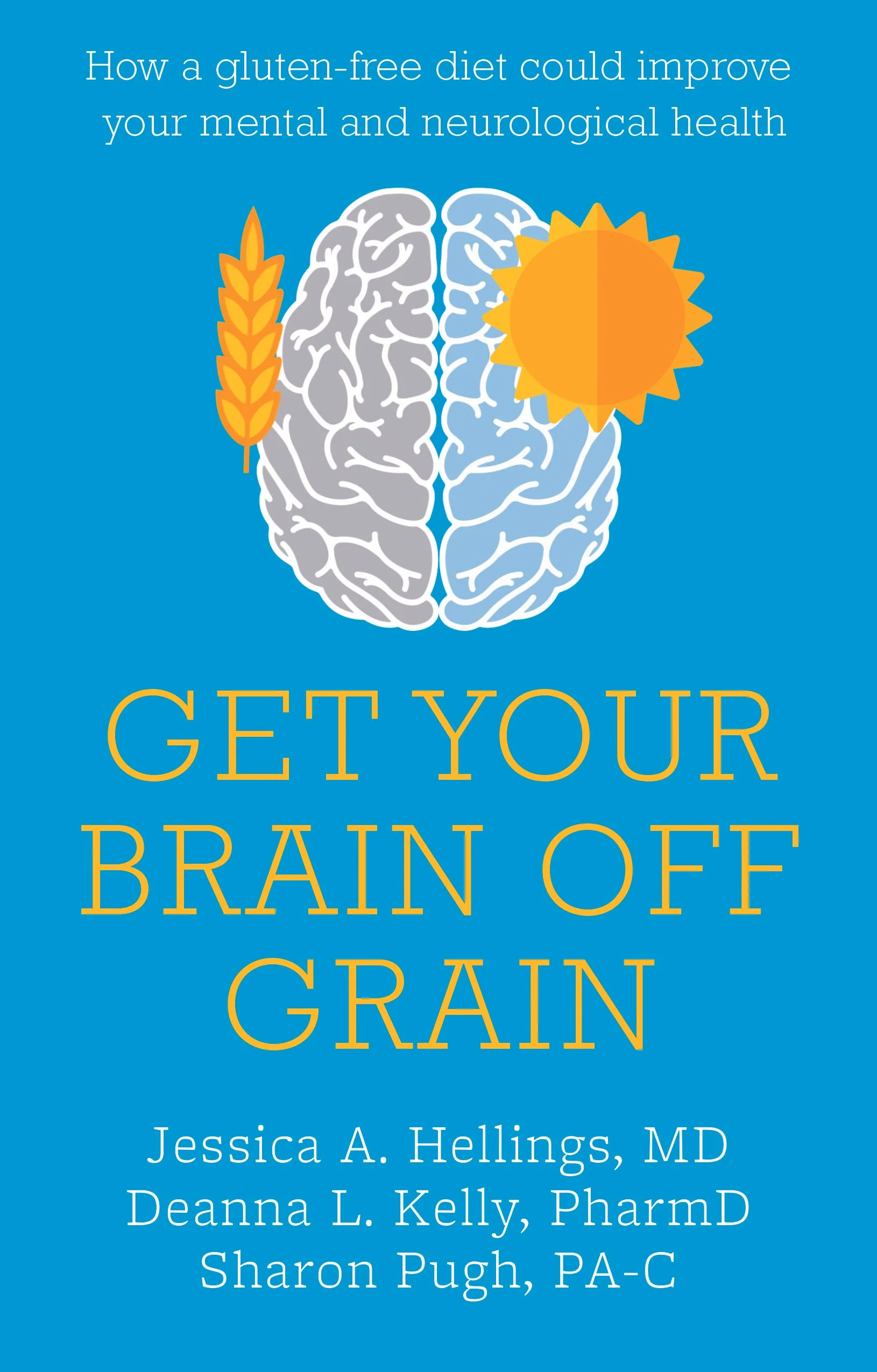
That’s the question we explore in Get Your Brain Off Grain. Our message is both science-backed and hopeful: for some individuals, removing gluten could be the missing piece in managing mental health symptoms that don’t respond well to traditional treatments.
The Gut-Brain Connection: Why the “Second Brain” Matters
For decades, we’ve treated the mind and body as separate. But research now shows they are in constant communication, especially through the gut.
Your gut, often called the “second brain,” houses more than 100 trillion microbes that influence immunity, hormone production, and mood. These microbes help create neurotransmitters like serotonin and dopamine, which are essential for mental well-being.
When the gut is healthy and balanced, everything works in harmony. But when stress, poor diet, antibiotics, or food sensitivities disrupt that balance, inflammation can develop. That inflammation doesn’t always stay in the gut; it can travel through the bloodstream and affect the brain.
Gluten’s Role in Inflammation
Gluten, a protein found in wheat, barley, and rye, is one of the most common dietary triggers of inflammation. For people with celiac disease, an autoimmune condition affecting about 1 in 100 people worldwide, eating gluten sets off an immune attack that damages the small intestine and leads to nutrient malabsorption. Symptoms can range from digestive issues to fatigue, rashes, or joint pain.
But gluten reactions aren’t limited to those with celiac disease (CD). Around 15 to 17 percent of the population have what’s known as non-celiac gluten sensitivity (NCGS), where gluten sparks an immune response that goes beyond the gut.
When gluten triggers antibodies, these molecules can leak through a compromised intestinal wall—a condition often called “leaky gut.” Once in the bloodstream, they can cause inflammation elsewhere, including the brain. The result can include brain fog, anxiety, depression, attention problems, or even seizures and hallucinations. Many people never connect these issues to diet, but the evidence linking gluten and brain health is growing rapidly.
The Science Linking Gluten to Mental Health
Dr. Deanna L. Kelly is a contributing author to the book Get Your Brain Off Grain
I’m a Professor of Psychiatry and researcher at the University of Maryland School of Medicine. Early in my career, I focused on medications for severe mental illness, but I noticed that many people didn’t respond fully to treatment. That curiosity led me to collaborate with gastroenterologists and immunologists studying the gut- immune connection. Together, we uncovered surprising ways gluten can affect brain function contributing to a large body of evidence.
After nearly two decades of research, we now know that for some people, gluten can directly impact the brain and removing it can lead to dramatic improvements. Get Your Brain Off Grain compiles hundreds of studies showing these connections and separating solid science from dietary fads.
One of our co-authors, Dr. Jessica Hellings, a psychiatrist formerly at the University of Missouri Kansas City, experienced this firsthand. After her son was tested for celiac disease, she tried a gluten-free diet herself.
Within 48 hours, she felt noticeably better, and soon her fatigue, anxiety, and neuropathy disappeared. Her story mirrors what we’ve seen in countless patients and in an expanding body of research. Data shows that anxiety and depression occur two to three times more frequently in people with gluten-related issues, and in some cases, gluten may be a contributing factor. Some studies even show that depressive symptoms return once gluten is reintroduced.
Beyond mood disorders, research also connects gluten to ADHD, autism, seizure disorders, and schizophrenia. Our team has completed three clinical trials showing that, in patients with antibodies to gluten (known as antigliadin antibodies of the IgG type), removing gluten led to measurable improvements in symptoms, inflammation, and cerebral blood flow.
Why Gluten Problems Are Rising
You may wonder why gluten-related issues seem more common today. One theory is that modern wheat strains have been selectively bred for yield and texture, changing gluten’s structure and making it more likely to provoke an immune response. Environmental factors such as pesticide exposure, food processing, and overall changes in gut microbiota may also contribute.
For years, gastroenterology and psychiatry rarely intersected. Yet psychiatric symptoms are common in both celiac disease and gluten sensitivity. Only recently have researchers begun to connect these dots more clearly.
A Practical Path Forward
Not everyone benefits from cutting out gluten. Many people without CD or NCGS will see no change in mental or physical health on a gluten-free diet. However, for those who are sensitive, the benefits can be profound.
You may want to consider gluten as a possible factor if you or family members also experience gastrointestinal symptoms or autoimmune conditions. Ask your clinician about testing for CD and request that they include native gliadin antibodies (AGA IgG). If celiac tests are negative, this can help determine whether NCGS might be playing a role.
If you decide to try a gluten-free diet, work with a dietitian to ensure your meals are balanced and nutrient-rich. Some gluten-free products are high in sugar and fat but low in vitamins, and hidden gluten can appear in sauces, soy sauce, soups, and even medications.
A gluten-free diet is not a replacement for therapy or medication, but it can be a powerful complement. Always make dietary changes under medical supervision. Many people see improvements in brain fog and mood within three to four weeks.
Going gluten-free can be challenging at first, but it becomes easier with planning. Focus on naturally gluten-free foods such as vegetables, fruits, lean proteins, legumes, and rice. Avoid relying too heavily on processed gluten-free snacks. Connect with online communities for recipes, guidance, and encouragement, and continue professional mental health care for the best outcomes.
The Bigger Picture: A Shift in Mental Health Thinking
The growing body of gluten-brain research reflects a broader shift in how we understand mental health as an integrated, whole-body process. Diet, immunity, gut health, and inflammation are all connected. For some individuals, the key to clearer thinking, improved mood, or better focus might not come from a new prescription, but from what’s on their plate.
We are only beginning to understand how food impacts the mind. But if identifying gluten sensitivity brings relief to even a small percentage of people, that’s progress worth pursuing.
We collectively wrote Get Your Brain Off Grain to challenge the old separation between mind and body. We reinforce that mental wellness begins with physical health, that what happens in your gut doesn’t stay in your gut, and that Hippocrates was right all along: food truly can be medicine.
To learn more about the science, stories, and guidance behind the gluten-brain connection, explore Get Your Brain Off Grain, a resource that blends rigorous research with compassionate insight. We offer readers, families, and clinicians a roadmap to understanding how food choices may play a powerful role in mental health recovery.
About the Author Deanna L. Kelly, PharmD, BCPP

Dr. William and Carol Carpenter Professor of Psychiatry for Mental Illness Research, Director, Maryland Psychiatric Research Center, University of Maryland School of Medicine & Coauthor of Book: Get Your Brain off Grain.
Dr. Deanna L. Kelly is an internationally recognised expert, researcher and clinician specialising in new treatments for people with mental health conditions. With 28 years of experience in clinical trials, particularly in people with psychotic disorders and schizophrenia, Dr. Kelly has led the field of psychiatry with studying more holistic science-based approaches with dietary interventions and supplemental treatments.
She is one of the leading experts in understanding the role of gluten and mental health, studies the gut microbiome in connection to brain function and behaviour, has tested dietary interventions for improving psychiatric symptoms such as luteolin, prebiotics, ashwagandha, and gluten free diets and is helping to advance the field of metabolic psychiatry with advocating and studying ketogenic diets for mental health conditions. She strongly believes that diet has the potential to help improve mental health conditions and has NIH funded science demonstrating her results.
She is also an expert in the use of an underused medication clozapine with over 50 publications, national advocacy and has briefed both Congress and the Food and Drug Administration on this topic. Dr. Kelly is the Dr. William and Carol Carpenter Professor of Psychiatry for Mental Illness Research at University of Maryland Baltimore School of Medicine. She is also the Director of the prestigious Maryland Psychiatric Research Center located in Baltimore, Maryland.
With over 250 published peer reviewed scientific papers, 20 books and chapters and over 190 invited lectures under her belt, she has helped to shape treatment guidelines and evidence-based care. She has been awarded the Maltz Prize for Innovative and Promising Schizophrenia Research by the Brain and Behaviour Research Foundation, the Judith J. Saklad Memorial Award by the American Association of Psychiatric Pharmacists (AAPP) and named one of Maryland’s Top 100 Women. Additionally, she has been given several other honours such as the G. Van Greene Distinguished Lecturer at Mercer University, fellow of the American College of Neuropsychopharmacology (ACNP) and designated a prominent MPower Professor in Maryland.
Additionally, her work and scientific expertise has been featured in the New York Times, National Geographic, National Public Radio (NPR) online, Women’s Day Magazine, Gluten-Free Living, MedPage Today, Vice Media, Clinical Psychiatry News, Psychiatric News, Metabolic Mind, and Medscape Medical News.
Buy your copy of ‘Get Your Brain off Grain: How a gluten-free diet could improve your mental and neurological health’ right here.
Follow Dr. Deanna Kelly on social media here on Instagram and on X.

Thank you for reading these stories at A Gluten Free Family. If you would like to support the show and help us continue our work to improve awareness, education and make change in the world for coeliac disease and the gluten free diet, subscribe to our Buzzsprout.
We have access to prizes, discounts, ad-free shows, bonus content coming soon and a shoutout on the podcast as well!